Pragmata Is What It Looks Like When a Publisher Bets on a New Idea and It Works
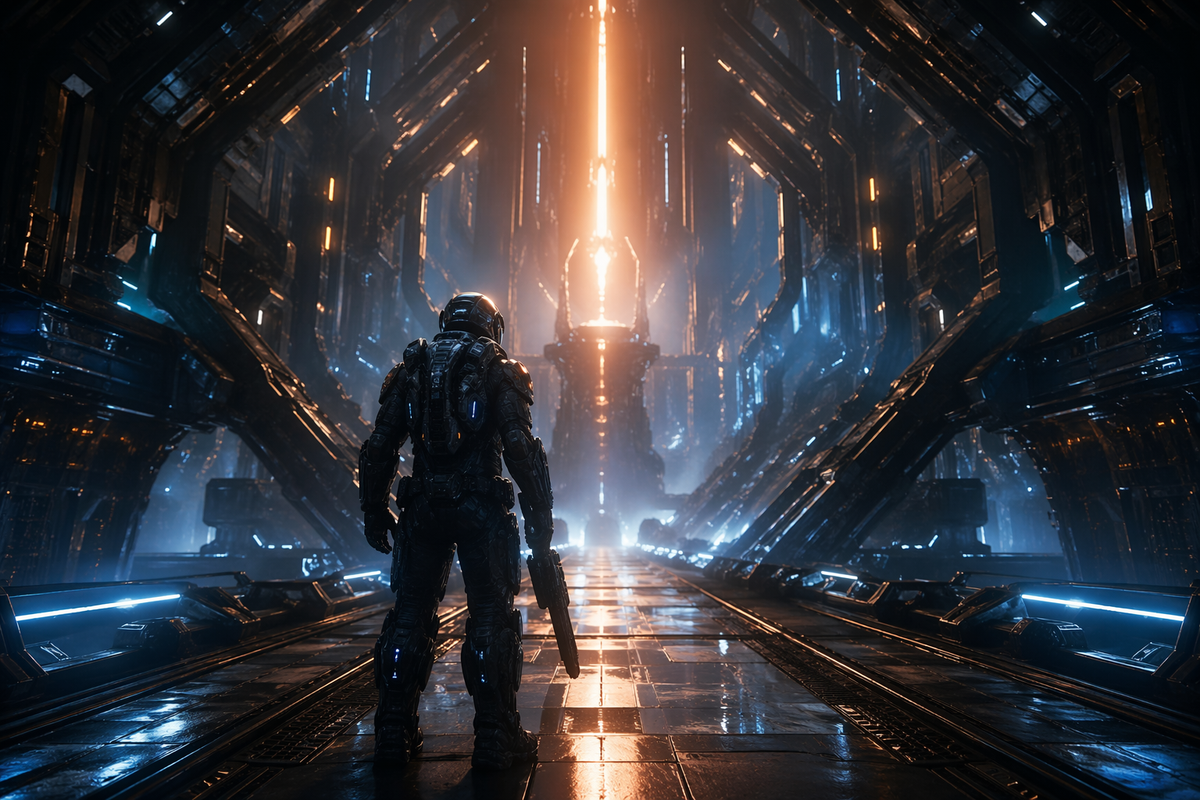
Pragmata came out six days ago. It has an 86 on Metacritic — 93 on Switch 2 — and sold over a million units in its first 48 hours. GameSpot called it "Capcom's next great franchise." That's a lot of confidence from a publication that doesn't throw that phrase around loosely.
It's worth spending a minute on what Pragmata actually is, because the name doesn't tell you anything and the marketing was intentionally cryptic for years. It's a third-person action game set in a near-future Earth overrun by a technological collapse. You play as a soldier named Clarke who can simultaneously hack digital systems and fight physically — those two mechanics run in parallel during combat, not as a mode-switch. You're shooting at enemies while also entering a digital overlay to rewrite their behavior, disrupt their systems, or manipulate the environment around them. The campaign runs 12-15 hours for the main story, around 25 if you go deep.
The reviews keep landing on the same word: surprising. Which is an underrated quality in a game. Most AAA games are not surprising. You know roughly what you're getting before you pick up the controller. Pragmata apparently doesn't quite feel like anything else that's out right now — and the hacking-plus-shooting combination that sounds annoying on paper is getting consistent praise for execution. Whether you can actually think fast enough to manage both systems simultaneously is, apparently, the fun of it.
Capcom's track record on new IP is interesting to think about. Resident Evil is a franchise. Devil May Cry is a franchise. Monster Hunter is a franchise. But those all existed before most people reading this were following games. When was the last time Capcom launched something new and had it stick? The Pragmata launch looks like the answer.
What makes this notable beyond the numbers is the broader context of what the games industry has been doing for the past few years. The safe bet has been sequels. Remakes. Live service games. Franchise extensions. The mid-budget original game with a big idea at its center has been treated as a risk too high to take. Pragmata was in development for years under a very vague public presence, which is Capcom's style — they showed a teaser in 2020 and basically went quiet until they had a real release date. That patience turned out to matter.
One million units in 48 hours is not just a good number. In the current climate — where even successful games sometimes launch with underwhelming commercial results before finding their audience on sale — it means Pragmata hit an audience immediately. People were waiting for it. They bought it day one. That's hard to manufacture and harder to predict.
The obvious question now is what Capcom does with it. A 9/10 from GameSpot and a "next great franchise" headline creates expectations for a sequel. Capcom will presumably deliver one. The question is whether the second Pragmata can avoid the trap of over-explaining and over-expanding what made the first one work — a trap that kills more sequels than bad reviews do.
For now, though: a major publisher took a real swing at something original, executed it, and the market responded. That's rare enough that it's worth marking. The industry needs more Pragmatas. It probably won't get them, but it needed this one.